What exactly is Web Design and Its Importance to Hempstead Businesses?
What Is Web Design?
Designing a website is the process of planning and creating a professional website that appears polished, functions seamlessly, and helps visitors take action. It includes the website layout, visual design, website navigation, and the overall user experience (UX). In practice, web design is not just about making a site attractive. It is about shaping how people move through your homepage, read your service pages, find contact information, and decide whether to trust your business.
A strong website design balances user interface choices like buttons, menus, spacing, fonts, and colors with practical decisions that support the customer journey. Good design uses visual hierarchy to guide attention, so a visitor can quickly understand what you do, where you serve, and how to contact you. That is why a web developer and a designer often work together: one handles structure and function, while the other focuses on appearance and interaction.
For businesses in Hempstead, NY, web design should reflect how real people search online. Hempstead is a busy Nassau County community on Long Island with a strong mix of local businesses and service providers. Visitors may be comparing options from Hempstead, West Hempstead, and surrounding Long Island areas. That means the site must be clear, fast, and easy to use on a mobile-friendly website.
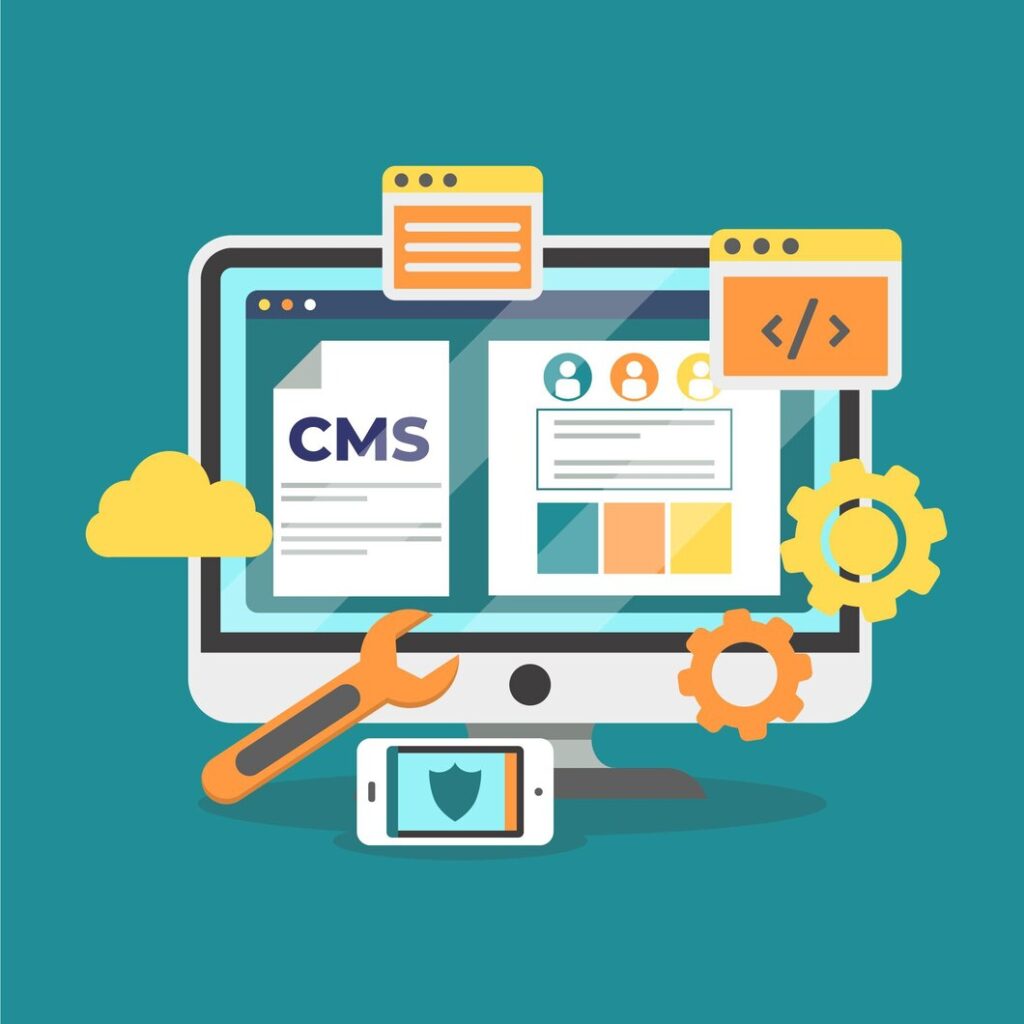
A solid site structure also depends on the right content management system, especially for businesses that update services, news, or promotions regularly. A flexible CMS makes it easier to manage website traffic, maintain pages, and keep the site aligned with your marketing strategy.
Why Web Design Is Important for a Business
Web design matters because it directly affects whether people believe in your business, get in touch with you, or move on for a competitor. A polished site builds brand confidence and strengthens brand presence, which is especially important when local customers are comparing several businesses at once. If a site looks old, unclear, or incomplete, it can weaken brand credibility before a visitor even looks at your offer.
Design also influences sales conversion. Every business website has a goal, whether that is getting phone calls, quote requests, bookings, or form submissions through contact forms. Better rate optimization starts with a design that removes friction. Simple messaging, visible action buttons buttons, and simple paths to information can improve prospect generation and increase interaction.
For many small businesses, the website is the first sales conversation. Strong design supports customer engagement by helping people quickly understand services, service areas, hours, and next steps. A site that answers questions fast can guide more visitors toward contacting you instead of bouncing away.
Think about a local contractor, law office, medical practice, or home service company in Hempstead. Their site needs to do more than look modern. It should reassure visitors through credibility signals such as reviews, credentials, service coverage, and easy access to contact details. Those details matter because they help turn casual browsing into real business growth.
In what way does Web Design Supports SEO Services
Web design and SEO services are deeply connected. Google and other search engines evaluate not only what your content says, but also how the site operates and how easy it is for users to interact with it. Effective search engine optimization begins with a well-organized site structure, structured page organization, and pages that render quickly and work well on all devices.
Website speed is a critical part of this. If a page takes too long to open, visitors may leave before they even see your offer. That reduces both user satisfaction and search rankings. Fast page load time is especially important for mobile users who may be searching on the go around Hempstead’s transit-connected neighborhoods and busy local corridors.
Responsive design helps a site adapt to different screen sizes, which is essential for a mobile-friendly website. When buttons are easy to tap, text is readable, and menus work properly on phones, users stay longer and interact more. That can improve metrics tied to core web vitals, including page speed, visual stability, and responsiveness.
SEO also depends on how well a site helps visitors find relevant information. If your navigation is confusing or your pages are buried too deeply, search engines and users both struggle. This is why design choices affect website traffic and visibility. A site built for usability gives search engines more confidence that people will have a good experience.
How Site Design Integrates With Digital Marketing
Digital marketing covers all the ways a business attracts, converts, and keeps customers online. Web design is the foundation that makes those efforts work. Even strong ads, social content, and email campaigns can underperform if they send people to a weak site. The website is where the marketing strategy takes shape.
Content strategy depends on design because the layout determines how information is presented. Good design makes it easy to feature key services, explain benefits, and guide users to the next step. For example, a service business may use separate landing pages for different offers or locations. Those pages should be clearly centered, easy to scan, and built around one clear goal.
The best landing pages are not cluttered. They use brief copy, relevant images, strong trust cues, and a clear call to action (CTA). A well-placed CTA can lead visitors to schedule a consultation, request a quote, or call your office. This is one reason web design is so important for lead generation: it helps convert attention into action.
Design also supports brand consistency across channels. When your ads, social media, and website all match in tone and appearance, users feel more confident. That consistency strengthens the customer experience and improves the chance that people will remember your business when they need help later.
What Defines a Good Website for Hempstead, NY Businesses?
A effective website for companies in Hempstead, NY should speak to the local audience and help make it easy for people nearby to contact you. Hempstead businesses often operate in a competitive local market, so your website should clearly show where you operate, what you offer, and how quickly people can reach you.
Local SEO is a key part of that process. Your website should include location references where appropriate, accurate service details, and pages that represent the neighborhoods and communities you serve. Many local customers search for providers in Hempstead, West Hempstead, and other nearby Long Island areas, so your site should match that search behavior naturally.
Your Google Business Profile should also work alongside your website. This helps reinforce your business identity across search results and maps. When people see consistent business names, hours, phone numbers, and service details, trust increases. Clear contact information is one of the most straightforward but most important trust signals for local customers.
Service area pages can also help businesses reach nearby communities. These pages let you explain which neighborhoods you serve and what services are available in each area. For service businesses in Nassau County, this can improve relevance for local search intent while giving visitors more confidence that your company truly works in their area.
In short, a local business website should make it obvious that you are genuine, accessible, and prepared to help. That combination improves visibility, supports search performance, and helps turn local interest into revenue.
In What Way Improve Web Design and Performance
AI experts can bring useful perspective into how websites are developed, checked, and refined. Modern AI tools can help analyze visitor behavior, detect friction points, and propose content or layout changes that improve performance. For businesses that want to stay competitive, AI can make web design more analytics-based and streamlined.
One major plus is personalization. AI-driven systems can adapt content recommendations, calls to action, or featured services based on visitor behavior. That makes the site feel more suited, which can improve engagement and conversions. For example, a returning visitor might see a varied service highlight than a first-time visitor.
Analytics are another area where AI can help. By examining signals in clicks, scroll depth, form activity, and exit behavior, AI-supported analysis can show what is working and what is not. This gives businesses more clarity about their online presence and how users move through the site.
AI can also assist with content planning, testing, and performance review. When combined with human strategy, it helps web teams make more informed choices about design, messaging, and layout. The best results still come from experienced professionals, but AI can make those decisions faster and more informed.
Common Website Design Errors That Weaken Business Growth
A lot of websites struggle because of some avoidable mistakes. A major concern is broken links. If a visitor clicks a menu item or button and lands on an error page, trust drops immediately. Broken paths interrupt the customer journey and can damage lead generation.
A further concern is cluttered design. Too many colors, far too much text, or too many competing messages can overwhelm visitors. A cluttered page makes it harder to find the right information and weakens the site’s visual hierarchy. Simplicity is usually better for both usability and conversions.
Slow loading pages are also a serious issue. If the site is heavy with oversized images or poor code, website speed suffers. This not only frustrates users but can also reduce search visibility and weaken SEO services efforts.
Weak CTAs are another lost opportunity. If your site does not clearly tell people what to do next, many will leave without taking action. Every important page should include a direct action, whether that is calling, filling out a form, or requesting a consultation. A strong call to action makes the path forward easy to follow.
These problems can hurt business growth by lowering trust, weakening engagement, and limiting website traffic value. Fixing them often produces a noticeable improvement in conversion rate and overall performance.
How to Know If Your Business Needs a Website Redesign
There are several signs that it may be time for a website redesign. If your site looks outdated, loads slowly, or no longer reflects your current services, a redesign can help restore trust and improve results. An outdated design often creates the impression that the business itself is behind the times.
A smart first step is a website audit. This review should examine design, content, technical performance, and user behavior. Look closely at bounce rate, which can reveal whether visitors are leaving quickly because the site is confusing, slow, or not meeting their expectations.
Mobile friendliness is another key indicator. If your site is difficult to read or move around on phones, that is a significant concern because many people now look for local businesses on mobile devices first. A redesign may be needed if buttons are too small, forms are hard to complete, or pages do not adapt well https://fulton-ny-hs130.brightsora.com/posts/how-to-submit-your-site-to-search-systems to smaller screens.
Businesses should also look at a redesign when their brand identity has changed. If your services, audience, or market position have evolved, the website should reflect that. A redesign can align the look and message of your site with your current goals, improve conversion rate optimization, and encourage long-term growth.
Sunstone Digital Tech34 Willis Ave, Mineola, NY 11501
(315) 758-3349
https://maps.app.goo.gl/raW1XN7K3jzLKAPz9
https://sunstonedigitaltech.com/hempstead-digital-marketing-agency
40.7400795, -73.6357138
FAQs About Web Design for Businesses
What is web design in simple terms?
Web design is the process of building a website’s look, structure, and user experience so visitors can quickly find information and take action. It includes the website layout, user interface, navigation menu, visual design, and responsive design for different devices.
Why does web design matter for small businesses in Hempstead, NY?
Web design matters because it helps Hempstead businesses earn trust, attract local customers, and turn visits into leads. In a busy Nassau County market, a clear and mobile-friendly website can improve brand credibility, support local SEO, and make it easier for people in Hempstead and nearby Long Island areas to contact you.
How does web design help with SEO services?
Web design supports SEO services by improving site speed, mobile responsiveness, core web vitals, and site structure. When a website is simple to use and fast to load, search engines are more likely to view it as helpful, which can improve search rankings and website traffic.
How often should a business redesign its website?
There is no fixed schedule, but many businesses review their site every few years or whenever performance drops. If the site has an outdated design, weak mobile usability, or a high bounce rate, a website redesign may be needed sooner. A website audit can help determine the right timing.
What should a Hempstead business website feature?
A local Hempstead business website should feature easy-to-find contact information, strong service pages, a visible call to action, local SEO elements, and a connected Google Business Profile. It should also appeal to the local audience, describe service area coverage, and make it convenient for people to use the site on mobile devices.